Gender, feminism(s), and institutional inequalities
Defining gender
One of the textbook authors’ students is quoted in our reading saying something to the effect of “your gender is what it says on your birth certificate”. However, the textbook goes on to say that “it is more complicated than this”.
In your own words, explain to one another why sociologists say that gender is “more complicated than this.”
Distinguishing sex and gender
As you read the textbook, you should learn about the fundamental difference between sex and gender.
Sex refers to the various biological and physiological characteristics associated with males and females, including reproductive organs and hormones.
In contrast, gender is that set of social meanings associated with men and women.
The gender binary and beyond
Most traditional understandings of gender were based on the idea that gender is an either-or binary: that one is either a woman or a man. Those traditional understandings also suggested that the individual’s gender is fixed and unchanging.
These notions of gender as fixed and contained within a binary system are increasingly questioned – but recently we have seen a backlash trying to re-assert the gender binary as both natural and obvious.
- Many people, including celebrities, now publicly identify themselves as gender-fluid or non-binary;
- In the recent past, governments began to officially recognize non-binary gender identities. Social media companies, such as Meta, offered individuals room to express their gender identities in all their complexity (although, given recent Executive Orders signed by President Trump, we may see many of these policies go away)
- However, the latest public opinion polls show that 55% of people in the United States still believe there are only two genders
Small-group discussion: should we even be talking about this?
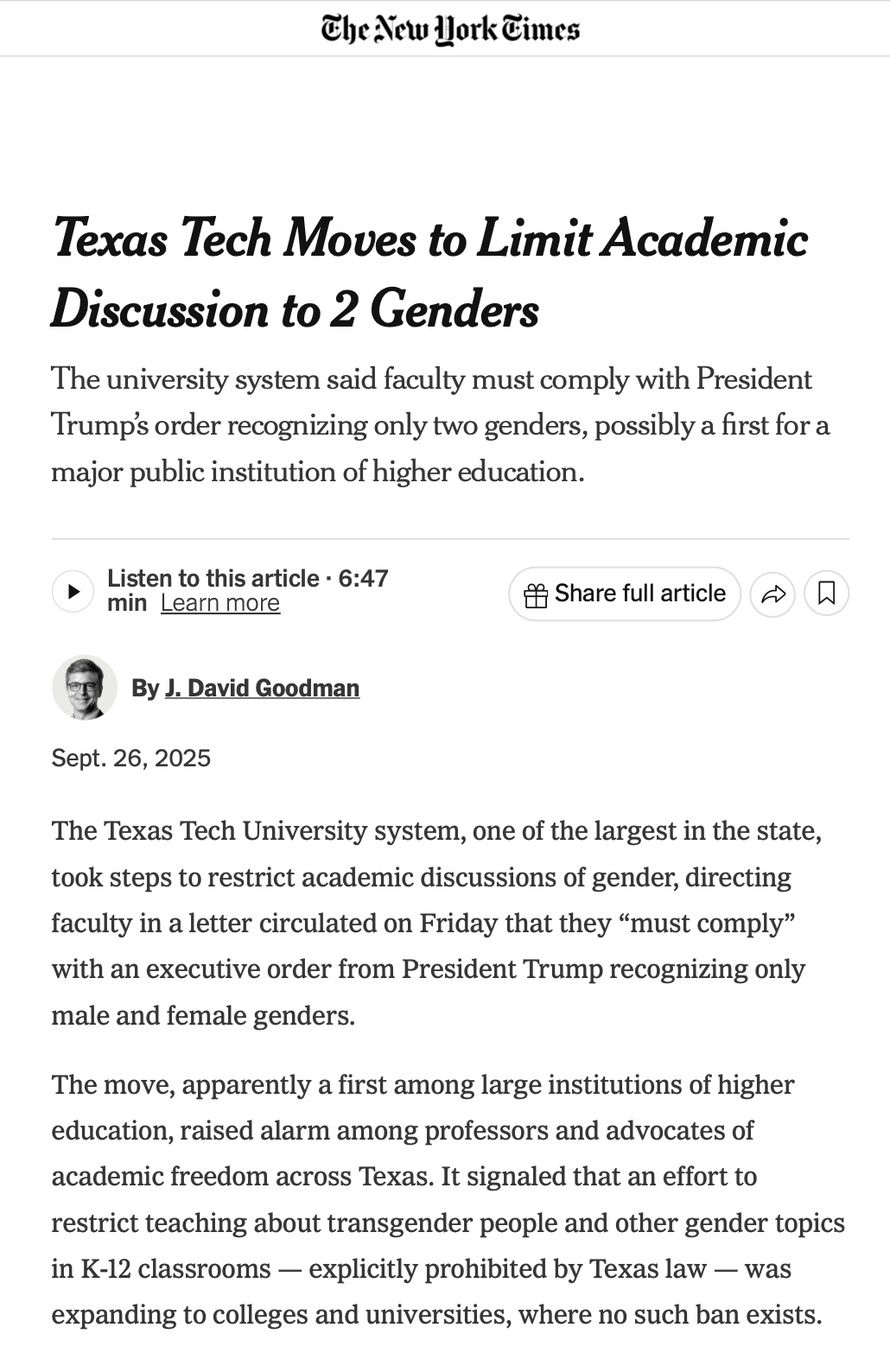
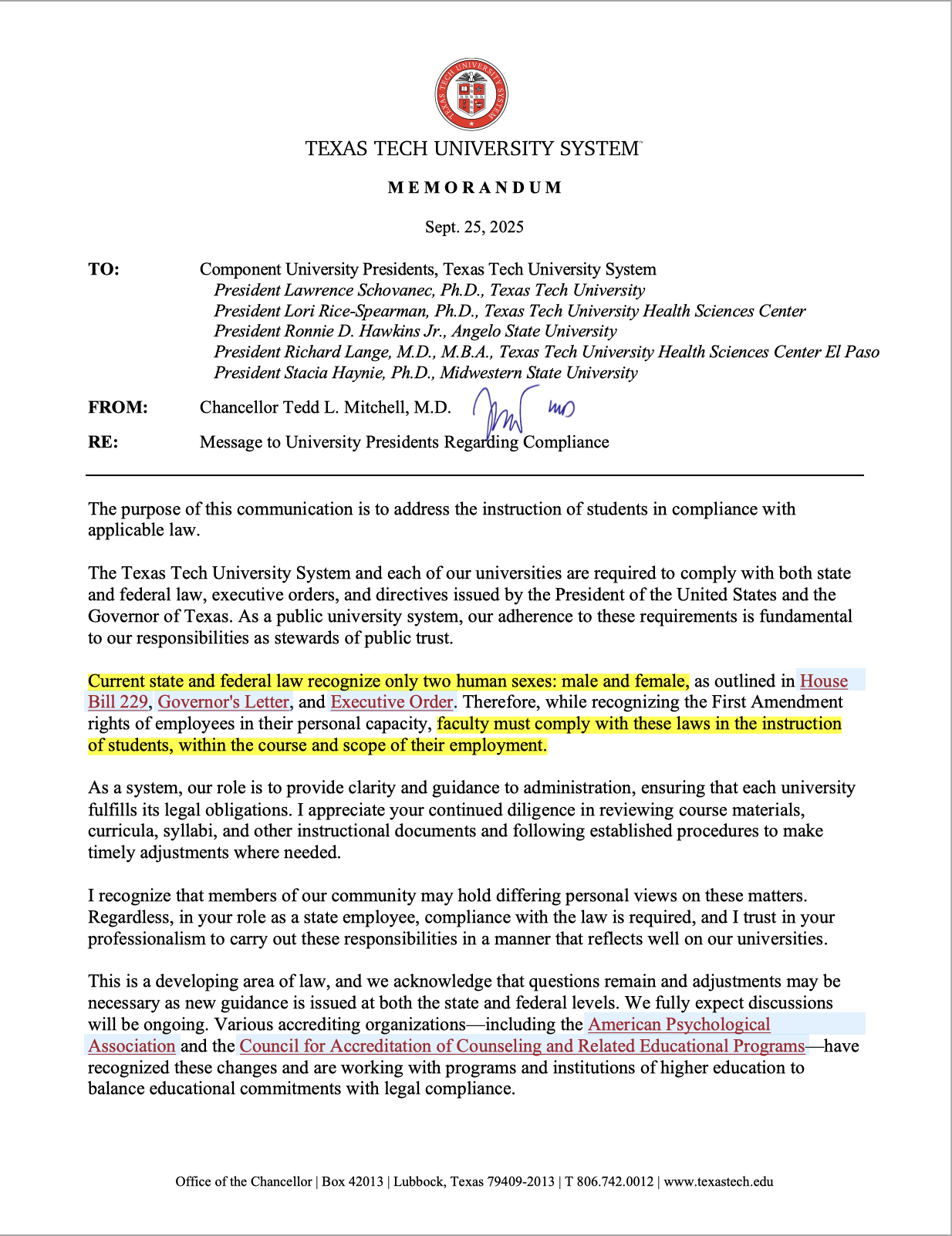
What’s this about?
- What would lead sociologists and many feminist activists to express strong criticism for these comments from Patricia Arquette during her acceptance speech at the 2015 Oscar Awards ceremony?
It’s time for women. Equal means equal. The truth is the older women get, the less money they make. The highest percentage of children living in poverty are in female-headed households. It’s inexcusable that we go around the world and we talk about equal rights for women in other countries and we don’t…. It’s time for all the women in America, and all the men that love women and all the gay people and all the people of color that we’ve all fought for to fight for us now.
Feminism and intersectionality
What is feminism?
How about intersectionality?
What types of issues are addressed by (intersectional) feminism?
Gender, difference, and the world of work
Finally, let’s discuss a few of these important concepts (and statistics) related to gender inequalities within important social institutions like the workplace.
What is the “glass ceiling”?
How are the wages of American workers impacted by parental status?
Can you clarify how wage patterns differ based on gender, race, class, and parenthood?

Social construction